April is the month when it starts to feel that we might not
have too much longer to wait for spring to properly arrive. The clocks have sprung
forward, trees are greening, and early blossom is filling the air with scent
and the sound of bees.
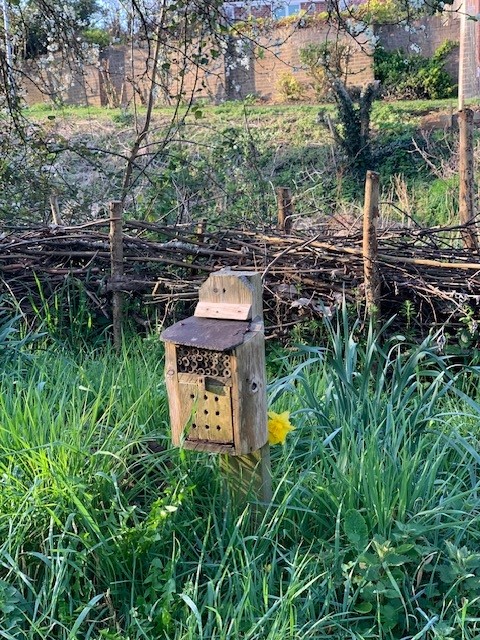
This is the month when pollinators appear in earnest. Solitary
bees such as mason, carpenter or leafcutters will be looking for somewhere to
lay their eggs, meaning April is a great month to build or buy and install a
bee hotel.
This month is also a great time to start sowing for the summer,
be it veggies or flowers. The warming soil will provide encouragement to seeds
set last autumn to start to grow, or you can sow from saved or purchased seed.
Beware, however, of late frosts damaging your tender young plants. Keep an eye
on the forecast and cover young plants if the temperature is due to drop. Used,
empty plastic bottles or milk cartons can be easily upcycled into cloches for
young plants. Old sheets, bubble wrap or clear plastic can also be used to
protect your seedlings.
Birds in particular will thank you for welcoming wildlife
into your garden, especially if there are caterpillars around for them to feed
to their new families. Each blue tit chick, for example, needs around 100
caterpillars a day to grow and thrive. With blue tits laying up to 16 eggs in
one batch, they will need as many as 1600 caterpillars per day to feed those
hungry mouths! This makes blue tits, and other birds, great for natural pest
control in your garden – a win-win for you and for wildlife.
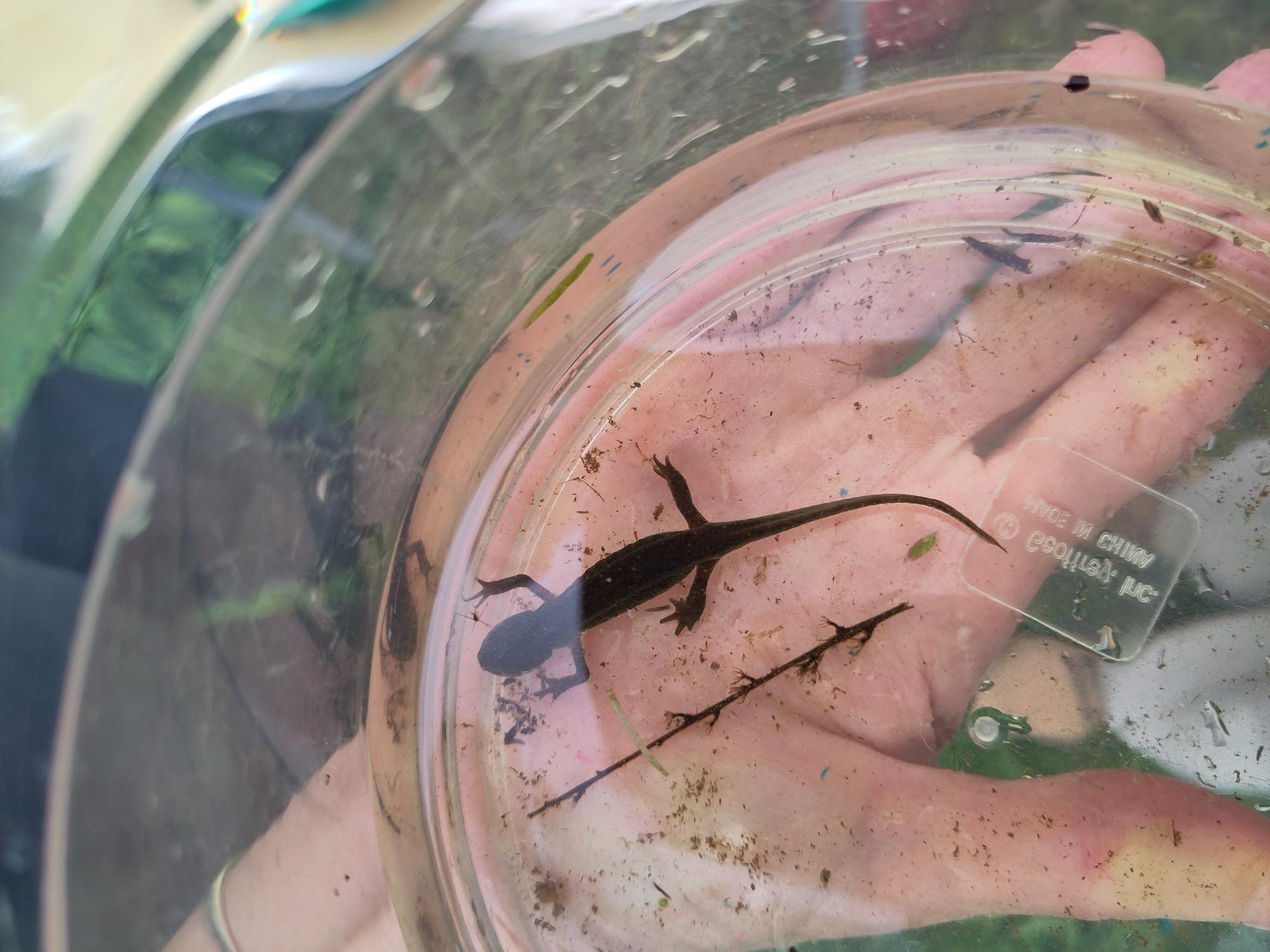
If you have a pond in your garden, you may already have tadpoles
swimming around. Newts are just starting to lay their eggs and may be looking
for suitable plants to accommodate them. Native wetland plants such as water
forget-me-not and water mint are good homes for newt eggs, as well as for all
sorts of other pond creatures. They can also provide great food for pollinators
later in the year.
Above all, as the days lengthen and the weather (hopefully!)
warms, April is a great month to get outside and enjoy connecting with the
nature that you are welcoming into your garden.